In 2025, amidst a volatile global economy, Vietnam’s foreign direct investment (FDI) attraction continued to achieve positive results, reaching $38 billion, the highest in the past five years. Actual FDI disbursed reached a record high of over $27.6 billion.
In 2025, amidst a volatile global economy , Vietnam’s foreign direct investment (FDI) attraction continued to achieve positive results, reaching $38 billion, the highest in the past five years. Actual FDI disbursed reached a record high of over $27.6 billion.
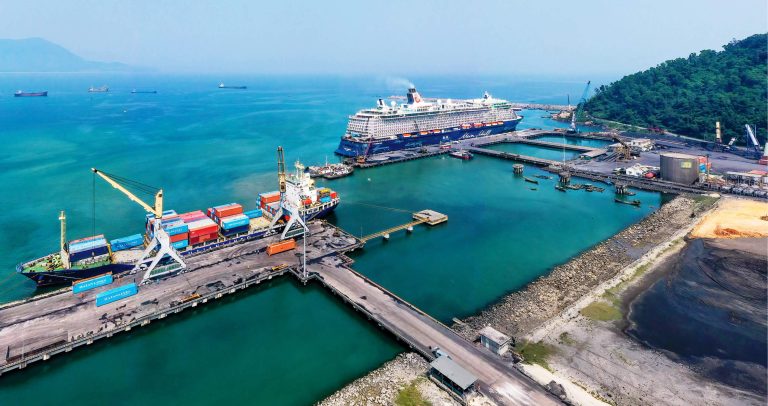
Amidst global economic uncertainties, stable disbursement momentum, coupled with institutional reforms and infrastructure upgrades, is creating a foundation for continued FDI growth.
According to the Foreign Investment Agency ( Ministry of Finance ), as of January 31, 2026, 153 countries and territories had invested in Vietnam with 45,716 projects and a total registered capital of nearly US$532 billion. South Korea led the way, followed by Singapore, Japan, and Taiwan. The FDI disbursement results for the 2019-2025 period show that Vietnam maintains its stable attractiveness amidst the global supply chain restructuring wave.
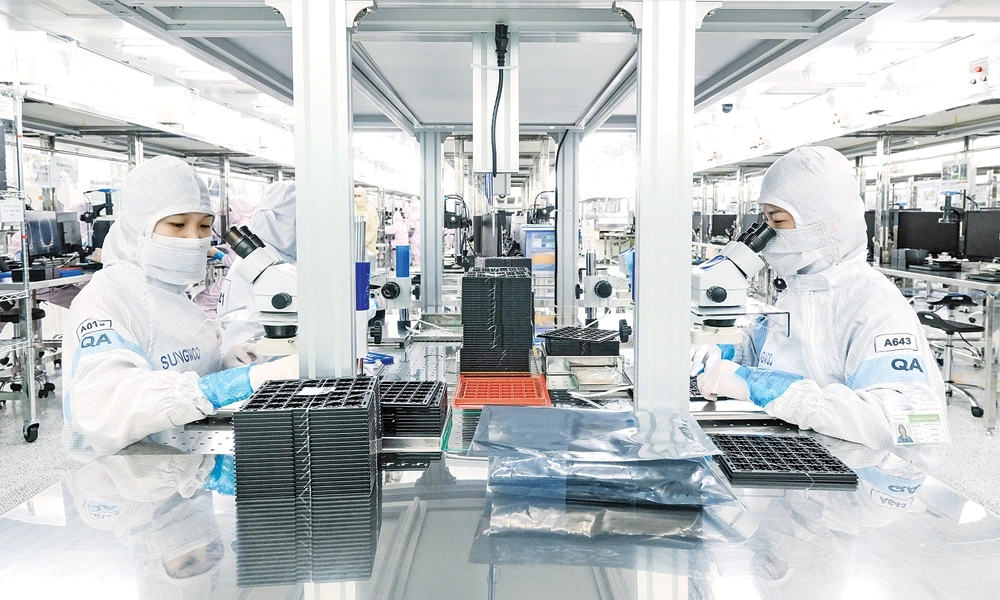
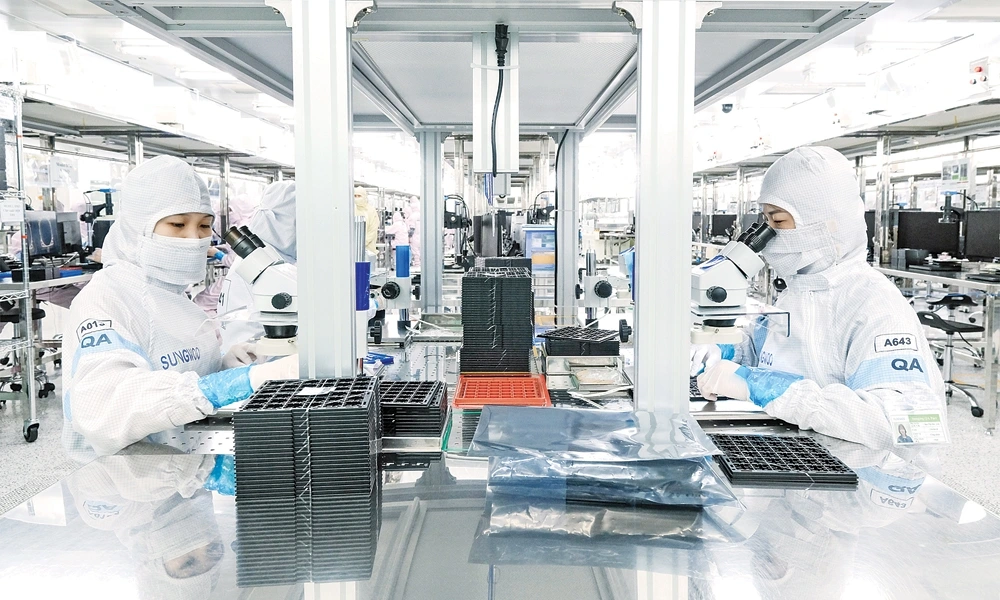
Notably, the structure of FDI is increasingly shifting towards quality, with a growing proportion in high-tech sectors, green industries, renewable energy, and the digital economy. If the pace of reforms is maintained and large-scale projects are effectively implemented, Vietnam has the potential to achieve a new high level of FDI disbursement in 2026.
Mr. Nguyen Khanh Duy, Head of Strategy and Operations at AQUA Vietnam, stated: “AQUA is eager to expand its business market in Vietnam, or establish production centers within Vietnam. We hope the government will implement new policies to support AQUA’s continued investment and expansion in Vietnam, such as policies on land, taxes, and import/export, to bring our goods to other markets. If such policy incentives are available, we will continue to invest in a second factory in Vietnam.”
Currently, the Ministry of Finance is developing a new generation FDI attraction plan, with specific orientations, solutions, and competitive strategies, aimed at attracting FDI to serve sustainable development goals. This includes a shift in the focus of investment attraction towards high-tech, core technologies, semiconductors, AI, R&D, and innovation. The plan is expected to serve as a guiding principle for foreign investment cooperation in the coming period, as the country enters a new era requiring significant capital to accelerate development.
Economist and PhD holder Le Duy Binh stated: “The recent context shows that we need to upgrade the investment and business environment. One of the issues we need to pay special attention to in the coming time is institutional reform, reform of legal regulations, and improving the quality of agencies that build and enforce laws, thereby improving the quality of the investment and business environment. The second issue is the need to further improve infrastructure. We have invested heavily in infrastructure with public and private investment capital, but we need to accelerate further to create a new image, a modern infrastructure system, reduce logistics costs, and reduce business costs for enterprises.”