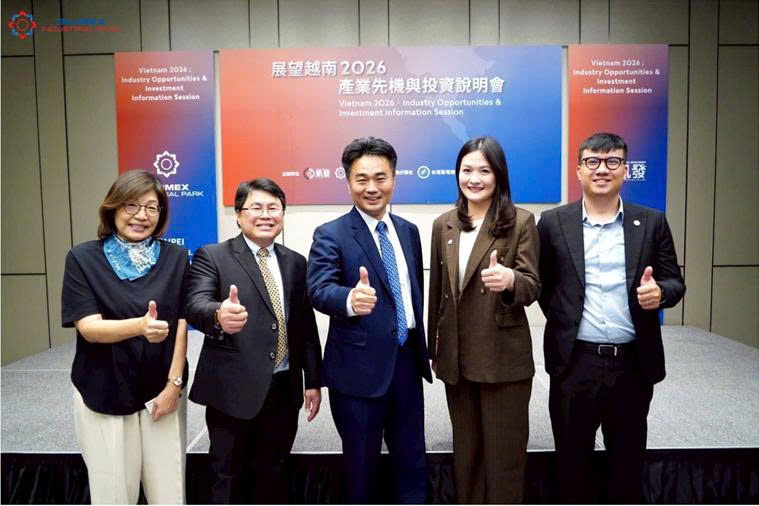
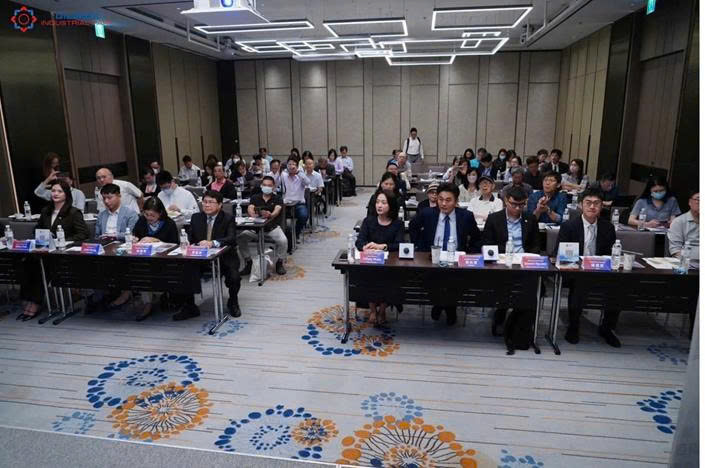
The industry outlook and investment trends seminar by TEEMA (Taiwan Electrical and Electronic Manufacturers’ Association) provided a comprehensive analysis of potential investment opportunities in Vietnam.
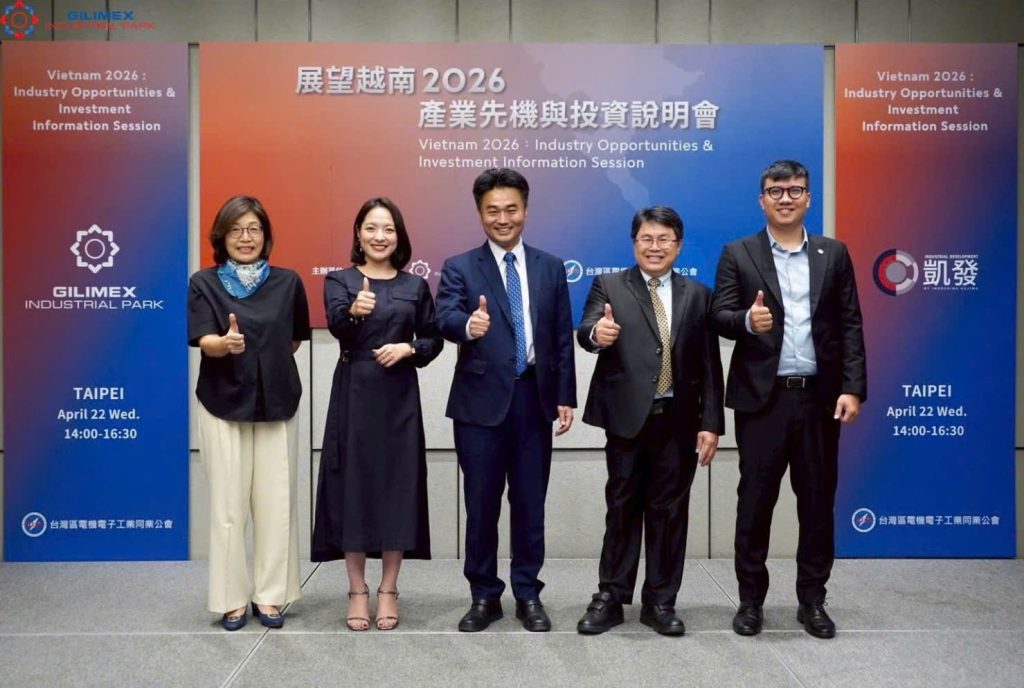
Amid global supply chain restructuring and the rapid transformation of the Asia-Pacific market, Vietnam is emerging strongly as a strategic hub, enabling Taiwanese enterprises to enhance supply chain flexibility and expand their global footprint, driven by its strategic location, demographic advantage, and a steadily growing domestic market.
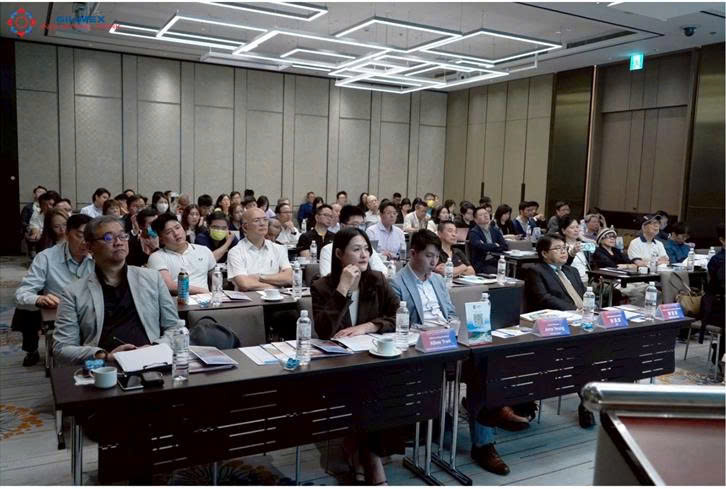
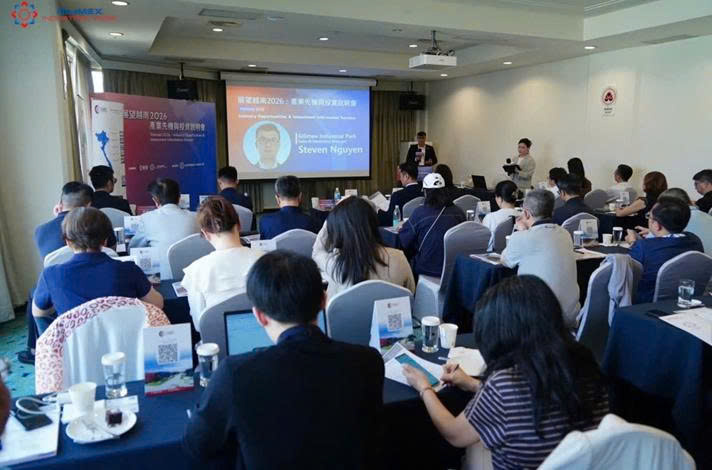
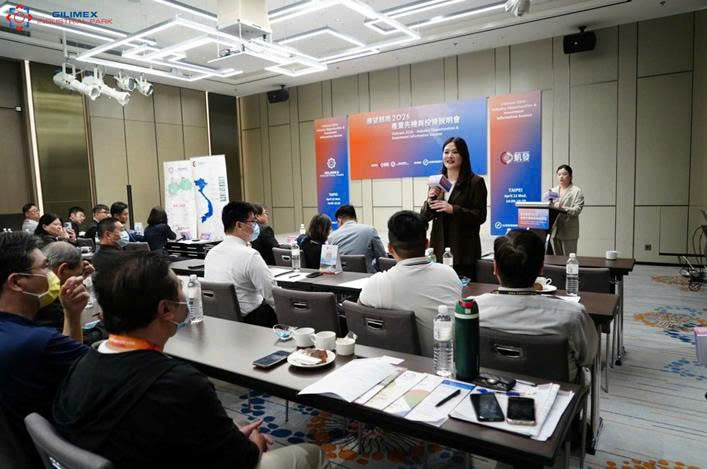
Building on this trend, on April 22, the Taiwan Electrical and Electronic Manufacturers’ Association (TEEMA) organized the seminar “Vietnam Outlook 2026: Opportunities for the Electrical and Electronics Industry and Investment Connectivity.” The event brought together leading experts from enterprises and consulting organizations to provide a comprehensive analysis of Vietnam’s future growth drivers and investment opportunities, covering the industrial landscape, investment conditions, and practical implementation experiences.
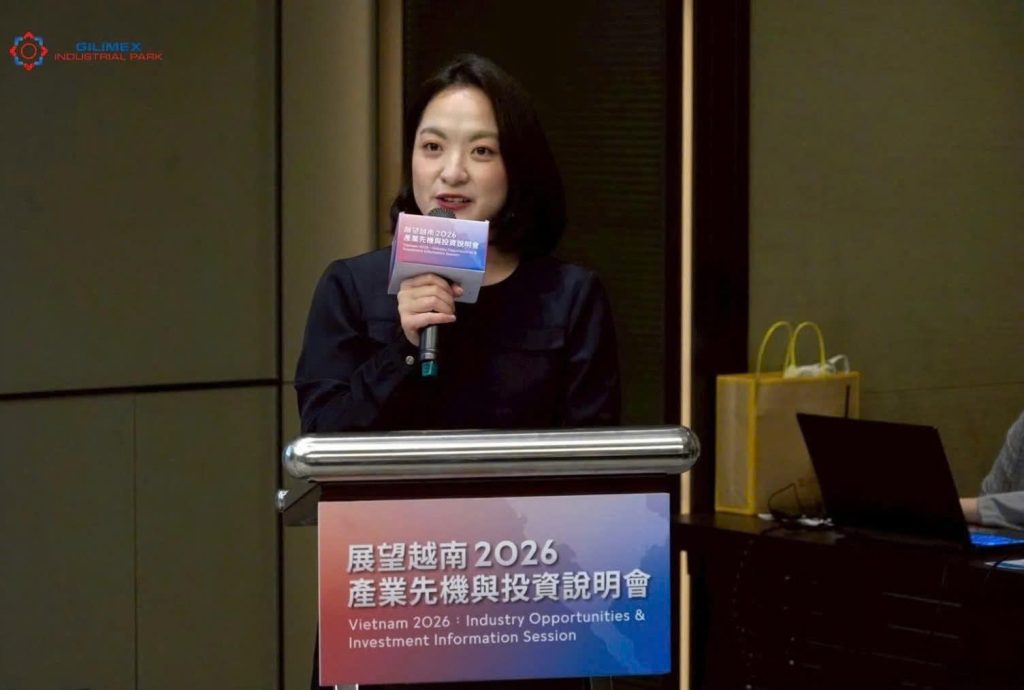
Ms. Tiffany Pham, Senior Manager of Core5 Vietnam, noted that amid ongoing global volatility—particularly the impact of trade tensions and U.S. tariff policies—Vietnam has become a key destination for businesses seeking to diversify trade risks and optimize operating costs. With its strategic geographic location, stable political environment, competitive workforce, and an extensive network of free trade agreements, Vietnam offers strong long-term investment advantages for Taiwanese enterprises.
Ms. Tiffany Pham further shared that Core5 Vietnam focuses on developing high-quality standard factories and warehouses, enabling manufacturers to enter the market quickly and improve operational efficiency. Its industrial parks have already attracted several Taiwanese manufacturers, including Catcher, Microloops, and Aliner. The two locations highlighted at the seminar were Hai Phong and Quang Ninh—key industrial hubs in Northeast Vietnam, offering clear advantages in infrastructure, transport connectivity, and supply chain integration.
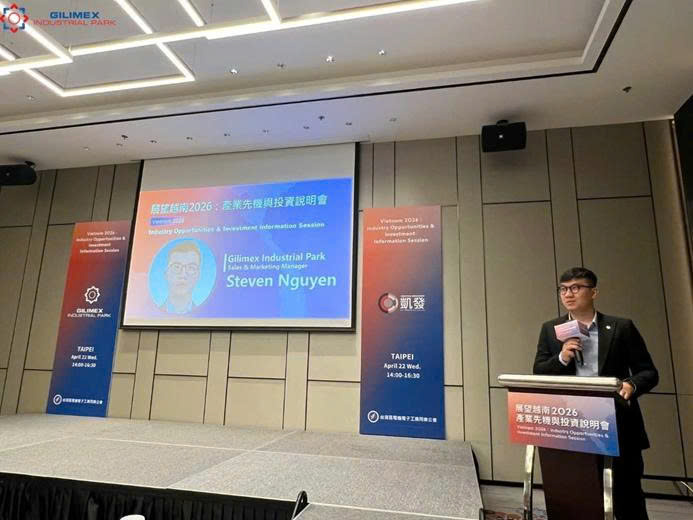
Mr. Steven Nguyen, Head of Sales & Marketing at Gilimex Industrial Park, noted that Vietnam is entering a new phase of industrial growth, gradually transforming from a low-cost manufacturing base into a high-tech production hub within the global supply chain. This presents a significant opportunity for Taiwanese enterprises to expand their operations and diversify operational risks. Gilimex positions itself as a long-term strategic partner for Taiwanese investors, providing comprehensive support from initial setup to stable operations. The company is also continuing to develop industrial parks across Northern, Central, and Southern Vietnam with synchronized infrastructure to meet the diverse needs of investors.
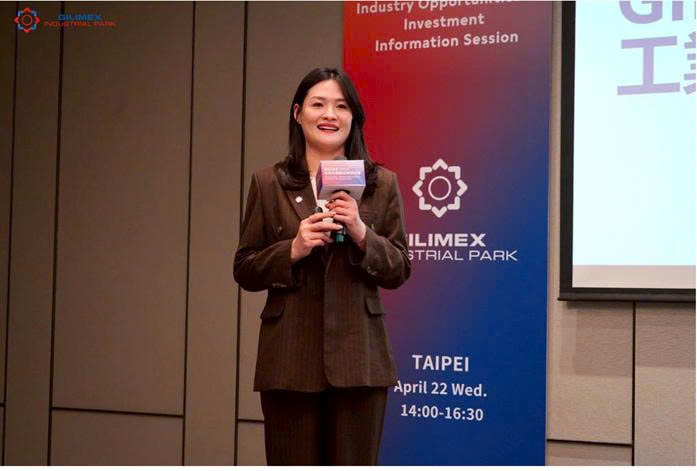
Ms. Tsai Sung-hui, Deputy Secretary-General of the Taiwan Electrical and Electronic Manufacturers’ Association (TEEMA), noted that in the past, Taiwanese enterprises’ manufacturing activities were primarily concentrated in China, with a strong focus on cost efficiency. However, operations have now expanded to multiple countries such as the United States, Mexico, Vietnam, Thailand, India, and Poland, gradually forming a regionalized manufacturing model to mitigate risks and enhance supply chain flexibility—within which Vietnam has emerged as a key investment destination. In the initial phase, the shift of production from China to Vietnam was mainly concentrated in the northern region, due to its proximity to China, ease of integration with existing supply chains, and abundant labor force.
In terms of industrial fundamentals, Vietnam has signed numerous free trade agreements and, with the early presence of major corporations such as Samsung, both the government and the local workforce have become increasingly familiar with the electronics industry. Currently, more than 1,000 Taiwanese electronics enterprises have invested in Vietnam, including major contract manufacturers such as Foxconn, Wistron, Compal, Inventec, and Pegatron, as well as companies like Lite-On and MiTAC—most of which are concentrated in the northern region. Last year, Taiwan’s investment in Vietnam increased by 4.49% compared to the previous year, with total accumulated capital reaching USD 42.3 billion, reflecting continued investment momentum. In addition to the electronics sector, traditional industries such as textiles and footwear manufacturing have also developed extensively in the country.
Ms. Tsai Sung-hui also noted that under the U.S. tariff policy of 20% on goods from Vietnam and 40% on transshipped goods, regulations on rules of origin and local production requirements have become increasingly stringent. This compels businesses to strengthen local sourcing and restructure their supply chains. For Taiwanese enterprises investing in manufacturing facilities in Vietnam, it is no longer sufficient to maintain existing production; they must also enhance local supply capabilities to comply with these requirements.
The event also featured Ms. Hsu Tsun-tzu, Director of the ASEAN Research Center under the Chung-Hua Institution for Economic Research (Taiwan), who shared insights on Vietnam’s industrial environment, economic landscape, and trade policies; Mr. Liao Yu-che, Deputy Director of Southeast Asia and India Services at PwC, who analyzed financial and tax governance as well as compliance in a macroeconomic context; and Mr. Liao Yun-huan, former Deputy General Manager of Chilisin Electronics Vietnam and former Chairman of the Taiwan Electronic Business Association in Vietnam, who shared practical experience operating in Vietnam.
In addition, expert teams from Gilimex and Core5 Vietnam presented in detail on key industrial parks in Northern Vietnam, including Bac Ninh, Hai Phong, and Quang Ninh. The presentation covered factory advantages, land policies, market overviews, and new development projects through 2027. Combined with insights from Taiwanese research institutions and practical experience from businesses, the content provided Taiwanese enterprises with a clearer understanding of market trends and key operational factors.
Add Your Heading Text Here