After years of growth driven by cost advantages and abundant land availability, the industrial real estate sector is entering a new phase of competition based on infrastructure quality, service excellence, and the ability to build comprehensive industrial ecosystems.
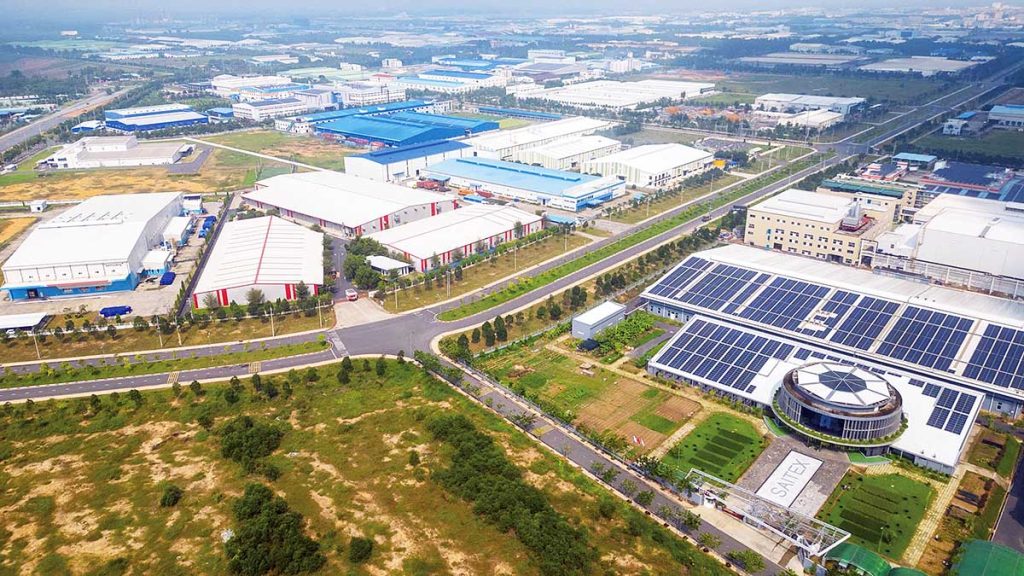
From the Race for Occupancy to the Race for Quality
For many years, industrial real estate has been regarded as one of the brightest segments of the property market, fueled by the global manufacturing shift and steadily increasing foreign direct investment (FDI). However, after a period of rapid expansion in scale, the market is entering a new cycle as investors adopt increasingly stringent criteria when selecting industrial parks.
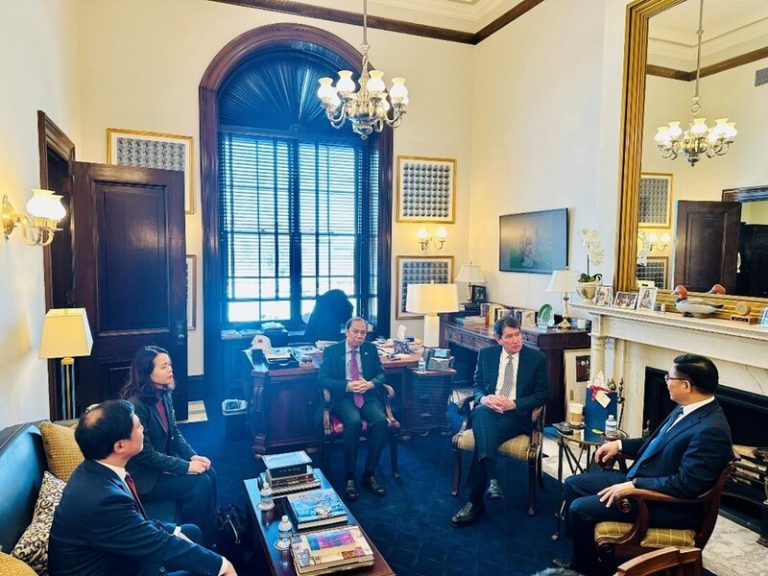
This shift is also aligned with the spirit of Politburo Resolution No. 10-NQ/TW on the development of the foreign-invested sector. Instead of prioritizing the attraction of as many projects as possible, Vietnam is now focusing on investors capable of bringing advanced technologies, establishing research and development (R&D) centers, developing human resources, increasing localization rates, and creating spillover effects for domestic enterprises.
According to Mr. Le Thanh Nhan, Head of the Investment Promotion Division at the Management Board of the Ho Chi Minh City High-Tech Park (SHTP), the board is developing and implementing a transparent, quantitative investor evaluation framework capable of measuring land-use efficiency. This clearly reflects Ho Chi Minh City’s new approach of no longer attracting investment at any cost.
More importantly, to address the challenge of technology transfer, SHTP now requires “mega projects” to provide written commitments outlining roadmaps for R&D investment, workforce development, localization enhancement, and core technology transfer to Vietnamese enterprises. At the same time, SHTP has introduced a regulatory sandbox mechanism to provide a secure environment where multinational corporations can test and commercialize new technologies.
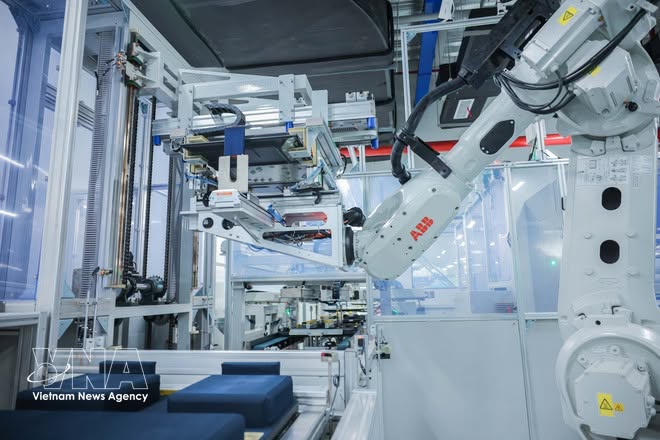
These changes reflect a trend that has been taking shape within the High-Tech Park over the past few years. Whereas foreign investment previously focused primarily on labor-intensive manufacturing and processing, new projects are now increasingly concentrated in semiconductors, artificial intelligence (AI), data centers, and other strategic technology sectors.
During the first months of 2026 alone, the High-Tech Park attracted two data center projects with a combined investment of nearly USD 1 billion. Several semiconductor testing and packaging projects are also under development. According to the Management Board, Ho Chi Minh City’s objective extends beyond attracting billion-dollar investments to creating spillover benefits for domestic enterprises.
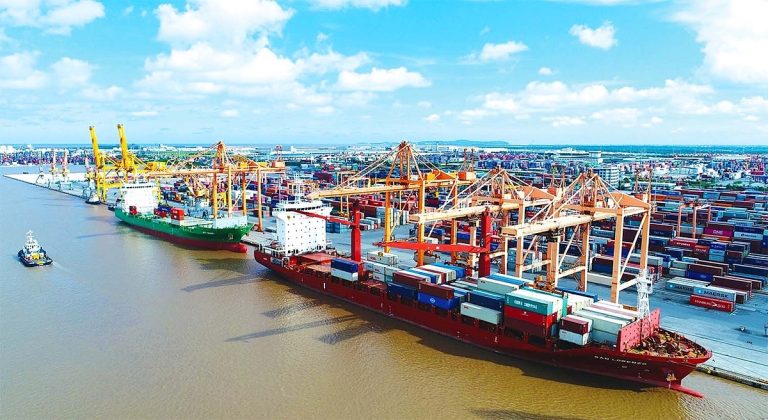
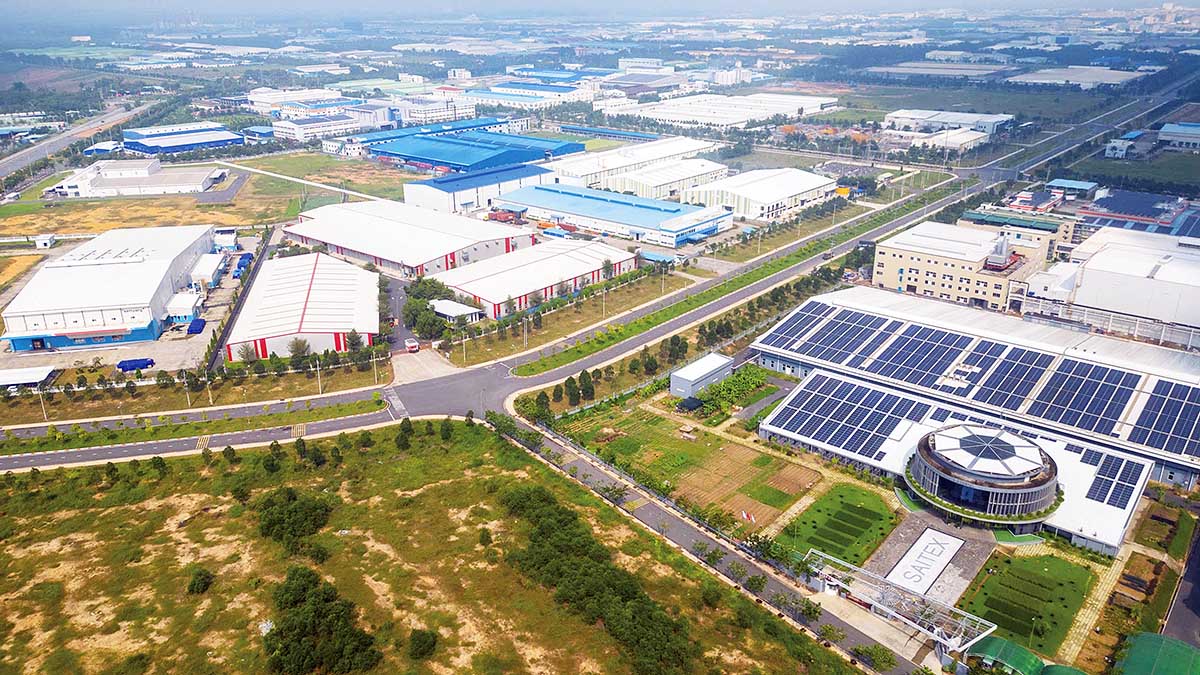
This direction is not limited to the High-Tech Park but is also being expanded across the entire system of export processing zones and industrial parks. According to the Ho Chi Minh City Export Processing and Industrial Zones Authority (HEPZA), following the recent administrative boundary merger, the city has planned 105 export processing zones and industrial parks covering more than 50,000 hectares. Of these, 58 are currently operational, with an average occupancy rate of around 80%, while many have exceeded 90%. The system currently hosts 5,380 valid projects with total registered investment exceeding USD 79 billion, including more than USD 57.5 billion in FDI.
To accommodate next-generation investment inflows, HEPZA stated that it will establish a roadmap to transform first-generation industrial parks in line with updated planning and practical needs. The authority is also studying the recovery of small industrial parks located in inner-city areas for public infrastructure development while upgrading larger industrial parks into high-tech industrial parks, eco-industrial parks, logistics centers, or transit-oriented development (TOD) projects.
Industrial Ecosystems Will Define Competitive Advantage
According to industry experts, while rental costs and investment incentives were once the primary factors influencing corporate decisions, competition is now shifting toward infrastructure quality, ecosystem development, and the ability to meet the requirements of next-generation FDI.
Mr. Henry Tran, Founder of Industrial Investment Solutions (IIS), noted that beyond rental rates and investment incentives, companies are increasingly concerned with whether an industrial park can support their operational requirements and long-term development strategies.
The first consideration is the legal status of the land, its readiness for immediate handover, and the lease term to ensure long-term investment security. This is followed by the quality of technical infrastructure, including electricity supply, water supply, wastewater treatment systems, and capacity tailored to different industries. Even geological conditions and soil bearing capacity are carefully evaluated because they directly affect factory construction costs.
However, according to Mr. Henry Tran, beyond infrastructure itself, many companies pay particular attention to the industrial ecosystem surrounding an industrial park, including raw material suppliers, supporting industries, contract manufacturers, and customers within the same supply chain. A well-developed ecosystem enables businesses to shorten delivery times, reduce logistics costs, and strengthen their competitiveness.
For FDI enterprises, the surrounding service ecosystem has also become an increasingly important consideration. Amenities such as housing for expatriate experts, international schools, hospitals, shopping centers, golf courses, and other supporting services help companies attract and retain high-quality talent.
Mr. Henry Tran added that the current trend is no longer simply about developing industrial parks but rather about creating “industrial cities” where manufacturing, working, and living are integrated into a single ecosystem.
From another perspective, as Resolution No. 10 requires FDI projects to generate spillover effects for domestic enterprises through technology transfer and higher localization rates, supporting industry ecosystems will become the critical link determining the success of this strategy.
According to Mr. Dang Tan Duc, Director of the R&D Institute under Becamex Group, the biggest bottleneck today lies not only within individual enterprises but also in the infrastructure supporting the entire supporting-industry ecosystem. Small and medium-sized enterprises (SMEs) currently lack standardized production facilities, technical infrastructure, digital infrastructure, and shared services such as testing, certification, inspection, and prototype manufacturing.
Mr. Duc emphasized that supporting industries need to shift from isolated investment toward industry cluster models, where companies share R&D facilities, laboratories, testing centers, environmental infrastructure, and energy systems. By sharing investment costs, domestic enterprises can significantly reduce the time required to meet international standards and integrate more deeply into global value chains.
In addition, this model supports green transformation through shared energy infrastructure, environmental treatment systems, and emissions monitoring. According to Mr. Duc, this approach enables SMEs to upgrade their capabilities more quickly while significantly reducing initial investment costs.
In other words, while the “industrial city” model creates an ecosystem for multinational FDI corporations, supporting industry clusters will provide the foundation that enables Vietnamese enterprises to become capable partners within those very ecosystems.
In a recent report, MBS Securities stated that a new development cycle is emerging for Vietnam’s industrial real estate sector as it transitions from traditional industrial parks to eco-industrial parks, green industrial parks, smart industrial parks, and high-tech industrial parks. According to MBS, this represents a strategic transformation as next-generation investment increasingly prioritizes ESG standards and sustainable development.
Companies with large land banks and the capability to transform into next-generation industrial parks, such as Becamex, Kinh Bac, and IDICO, are expected to benefit from this new cycle.
MBS also forecasts that profits among industrial real estate companies in the second quarter of 2026 will diverge due to differences in land handover schedules. Kinh Bac and IDICO are expected to record stronger earnings growth as tenants resume negotiations and sign contracts initiated in previous quarters, whereas many agreements during the same period last year were delayed because of the United States’ reciprocal tariff policies.
Looking more broadly, the transformation of Vietnam’s industrial real estate market is not only aimed at maintaining the country’s attractiveness for FDI but also at building a manufacturing ecosystem capable of generating higher value-added production, strengthening the competitiveness of domestic enterprises, and gradually enabling Vietnam to integrate more deeply into the global technology supply chain.