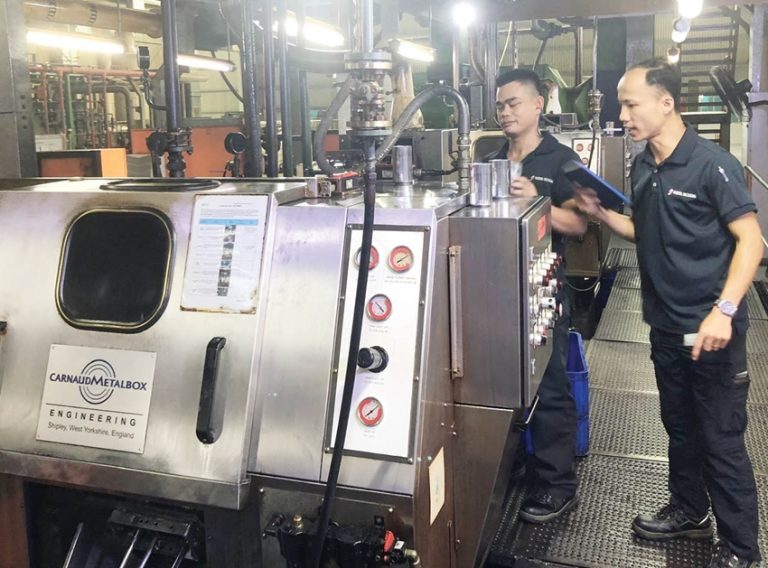
The digital economy is opening up new growth opportunities for Hue City, from smart tourism and digital healthcare to digital education and high-tech industries. To create real value from these advantages, besides infrastructure and data, human resources are also a decisive factor.
Creating a workforce based on practical needs
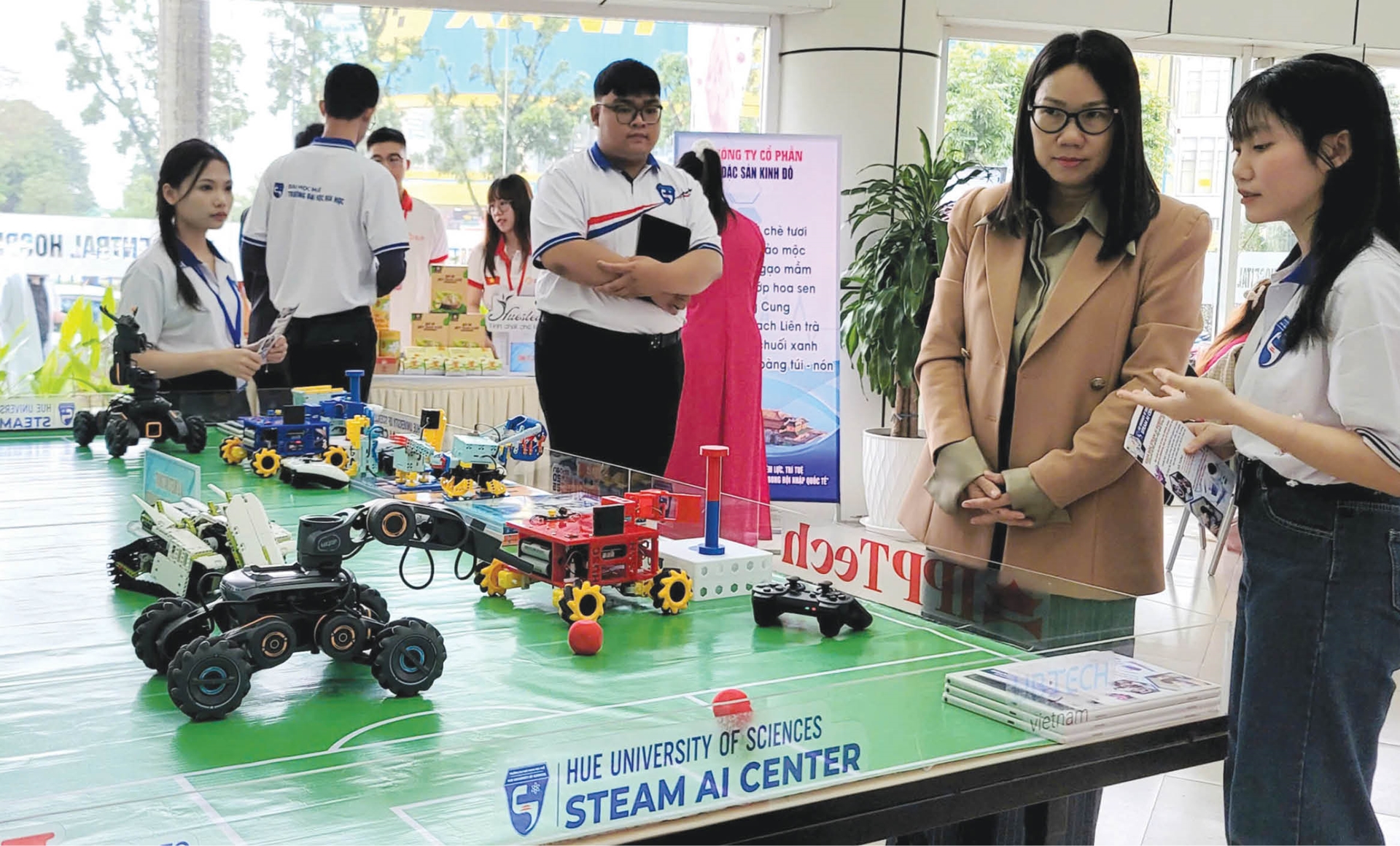
At many lecture halls of Hue University, students are no longer just studying the theory of information technology or artificial intelligence, but are directly participating in projects to digitize heritage, build software, analyze data, and develop applications serving smart education and healthcare. According to the Training and Student Affairs Department of the University of Science – Hue University, the school has recently updated the training programs for nearly 30 majors to meet practical needs, with the participation and collaboration of partner businesses. In addition to some newly opened training programs such as software engineering, this year the school has expanded to include several new majors such as semiconductor microchips to meet the development trends of society.
During classes, students from departments such as Information Technology; Electrical, Electronics and Materials Technology; and Mathematics at the University of Science – Hue University have applied both theory and practice, along with knowledge and skills gained from internships at businesses, to collaboratively research and create products and projects for participation in academic competitions and contests such as the Hue ICT Challenge, innovative startup competitions, and creative product competitions. Many software and applications developed by student groups have been incorporated into business models.
Associate Professor Dr. Do Thi Xuan Dung, Vice Director of Hue University, stated that Hue University is orienting its faculties and schools to innovate training programs in an interdisciplinary direction, incorporating digital skills and innovation capabilities as integral components of the curriculum. Simultaneously, many programs are being developed based on the specific needs of businesses, aiming to help students gain early access to real-world work environments and meet the demands of the labor market.
According to Associate Professor Dr. Xuan Dung, in addition to training IT personnel, Hue needs to focus on developing a workforce capable of data analysis, digital management, and innovation to serve various fields. With its advantages in education, healthcare, and culture, the city has many conditions to develop unique digital products and services if it knows how to leverage the role of its intellectual workforce and training institutions.
In businesses, the need for high-quality human resources is becoming increasingly urgent. Mr. Le Vinh Chien, Director of the Hue City Information Technology Center (HueCIT), believes that the current recruitment trend, in addition to requiring highly skilled professionals, also demands individuals capable of working in a digital environment, utilizing data, applying artificial intelligence, and continuously updating their knowledge of new technologies.

Mechanisms for retaining talent
According to Dr. Ho Dac Thai Hoang, Chairman of the Union of Science and Technology Associations of Hue City, Hue possesses a rare advantage with its network of universities, hospitals, research institutes, and a large intellectual workforce. If scientists, businesses, and management agencies are effectively connected, many research results can be commercialized, creating digital products and services to serve strong sectors such as heritage, healthcare, education, and tourism. This is also a path for science, technology, and innovation to directly contribute to economic growth.
Hue is facing a great opportunity as the Government prioritizes the development of high-tech industries, artificial intelligence, and semiconductor industries. In recent years, Hue University and several other training institutions have opened or are preparing to open majors related to electronics, microchips, automation, and information technology, gradually preparing human resources for the new development phase.
However, the gap between the demand and supply of high-quality human resources remains quite large. The city still lacks experts in integrated circuit design, semiconductors, research and development (R&D), data science, and technology product development. These are all high value-added fields that determine the ability to participate deeply in the global value chain.
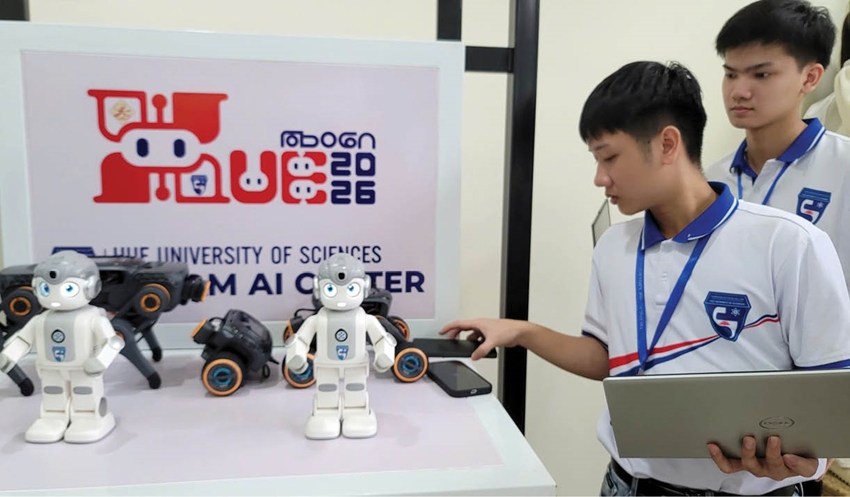
Besides focusing on training to encourage talented individuals to choose Hue as a place to establish their careers and contribute long-term, Resolution 05-NQ/TU dated April 1, 2026, of the Hue City Party Committee on breakthroughs in science, technology, innovation, and digital transformation for the period 2026-2030, with a vision to 2035, also identifies the development of high-quality human resources as one of the breakthrough tasks.
Accordingly, the city will focus on building mechanisms to attract and utilize experts and scientists; promote cooperation between universities and businesses; support human resource training in strategic technology sectors; and standardize digital skills for officials and civil servants.
In its development goals, the city aims to promote the digital economy based on its unique advantages in culture, education, healthcare, and heritage. When heritage data is digitized, hospitals apply artificial intelligence, schools develop digital learning platforms, and agriculture utilizes the Internet of Things (IoT), economic value will be generated from the inherent strengths of the locality. However, to realize this goal, the prerequisite remains human resources. This includes information technology engineers, scientists, data experts, innovative entrepreneurs, and a digitally skilled workforce across all sectors.