Hue City is one of the localities honored for outstanding reform achievements in the Provincial Competitiveness Index during the 2005–2025 period.
At the announcement ceremony of the Vietnam Private Economy Report 2025 and the Provincial Competitiveness Index 2025 (PCI 2025) held this morning, May 15, Hue City was recognized by the Vietnam Chamber of Commerce and Industry (VCCI) as one of the three localities with outstanding reform achievements in PCI during the 2005–2025 period.
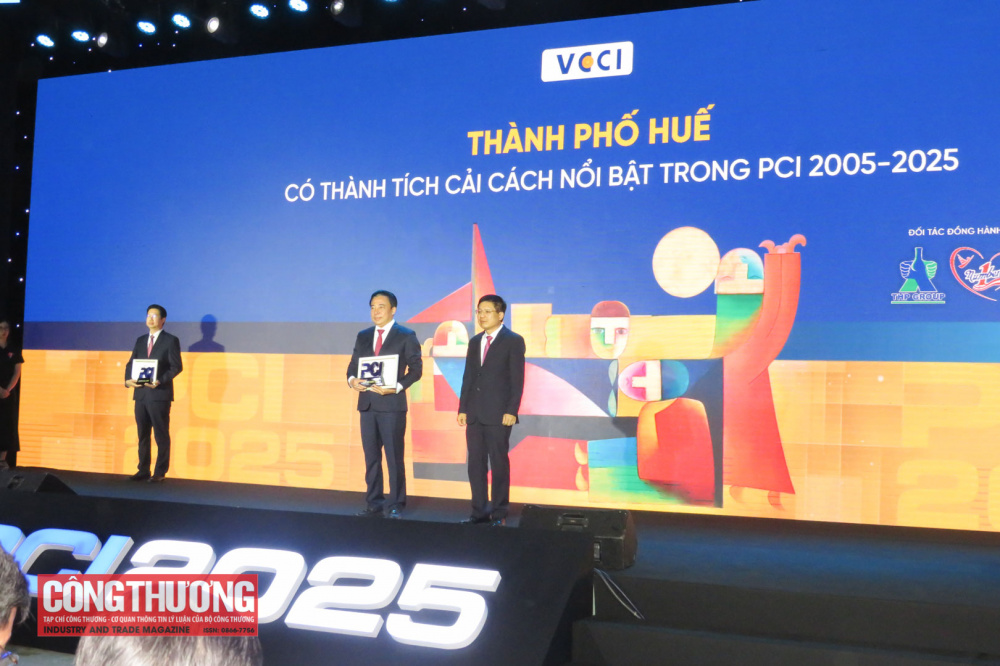
For Hue City, this result carries significant importance as the locality has officially become a centrally governed city and is focusing on completing its urban governance model, promoting its role as a heritage city, fostering new growth drivers, and enhancing competitiveness in a new stage of development.
At the same time, this achievement reflects Hue City’s persistent efforts to improve the investment and business environment, accelerate administrative reform, enhance governance quality, and build a service-oriented government that works alongside citizens and businesses.
The PCI 2025 results serve as an important reference channel for direction and administration, especially as the city is focusing on promoting growth, improving the investment environment, developing businesses, accelerating digital transformation, reforming administrative procedures, and building a service-oriented government that supports citizens and enterprises.
In the coming period, Hue City will continue to identify improving the investment and business environment, enhancing competitiveness, and supporting private sector development as key priorities, thereby contributing to the effective mobilization of social resources and creating momentum for rapid and sustainable socio-economic development.
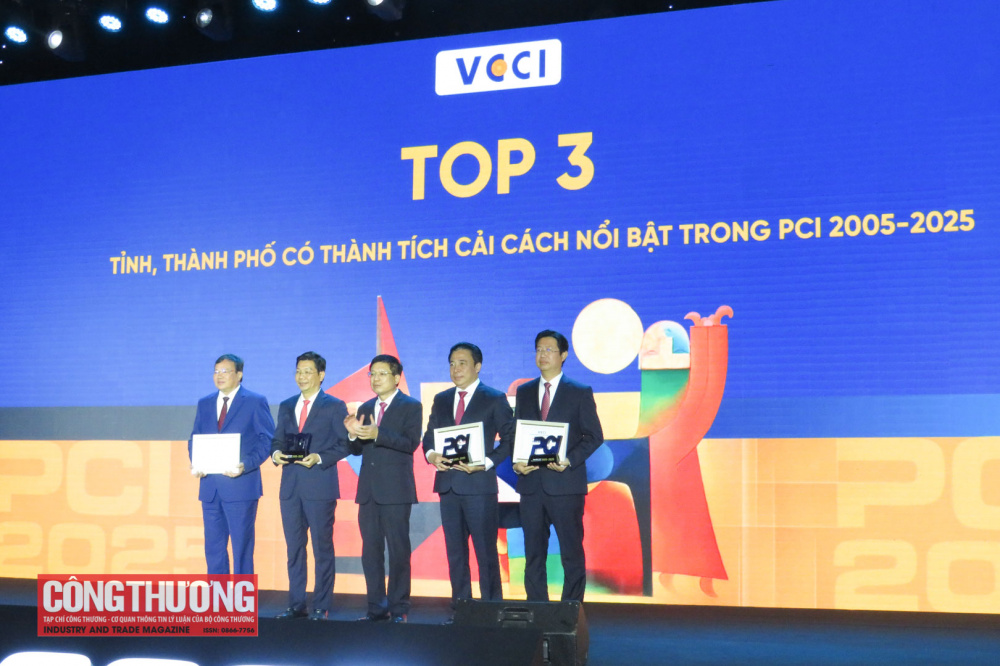
Notably, the Provincial Competitiveness Index Report 2025 marks an important innovation in evaluation methodology with the introduction of PCI 2.0 and the first-ever launch of the Business Performance Index (BPI).
According to VCCI, PCI 2.0 has been restructured into nine component indices, focusing on a more comprehensive assessment of local economic governance quality, including: market entry; access to resources; transparency; administrative compliance costs; informal costs; fair competition; business support policies; legal institutions; and a proactive, enabling government.