With a total investment of nearly 33,000 billion VND, the 13.55 km long project has officially commenced construction, serving as the shortest transportation artery connecting Gia Binh Airport with the center of Hanoi.
The project to build a road connecting Gia Binh Airport with Hanoi (the section passing through Hanoi) has officially entered the construction phase. This is a key transportation infrastructure project, expected to transform the appearance of the northeastern gateway and create a new economic corridor between Hanoi and Bac Ninh Province.
Technical scale and key items
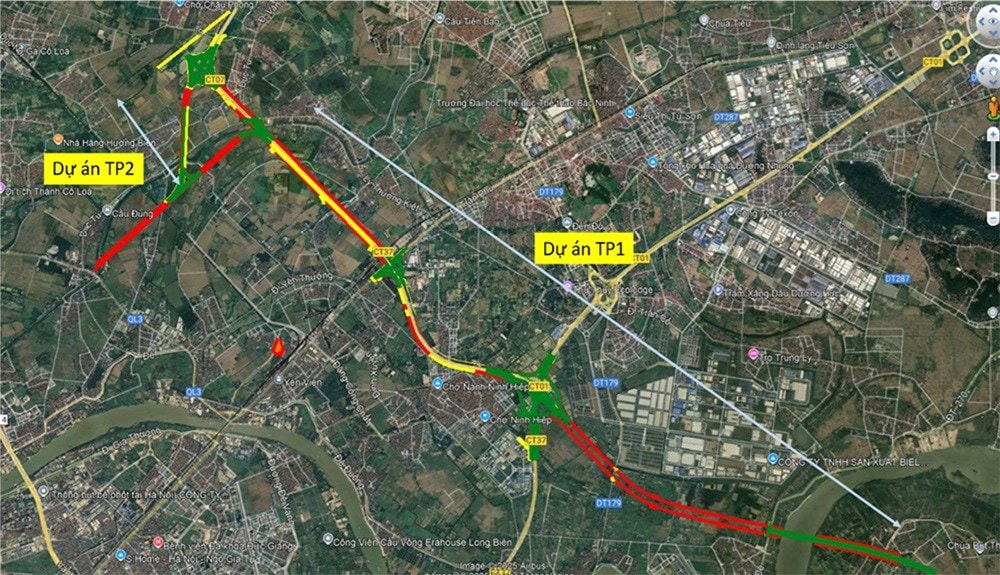
The project has a total length of 13.55 km, with a cross-sectional width of up to 120 m, ensuring high-volume and high-speed traffic flow. According to the plan, the project is divided into two main parts:
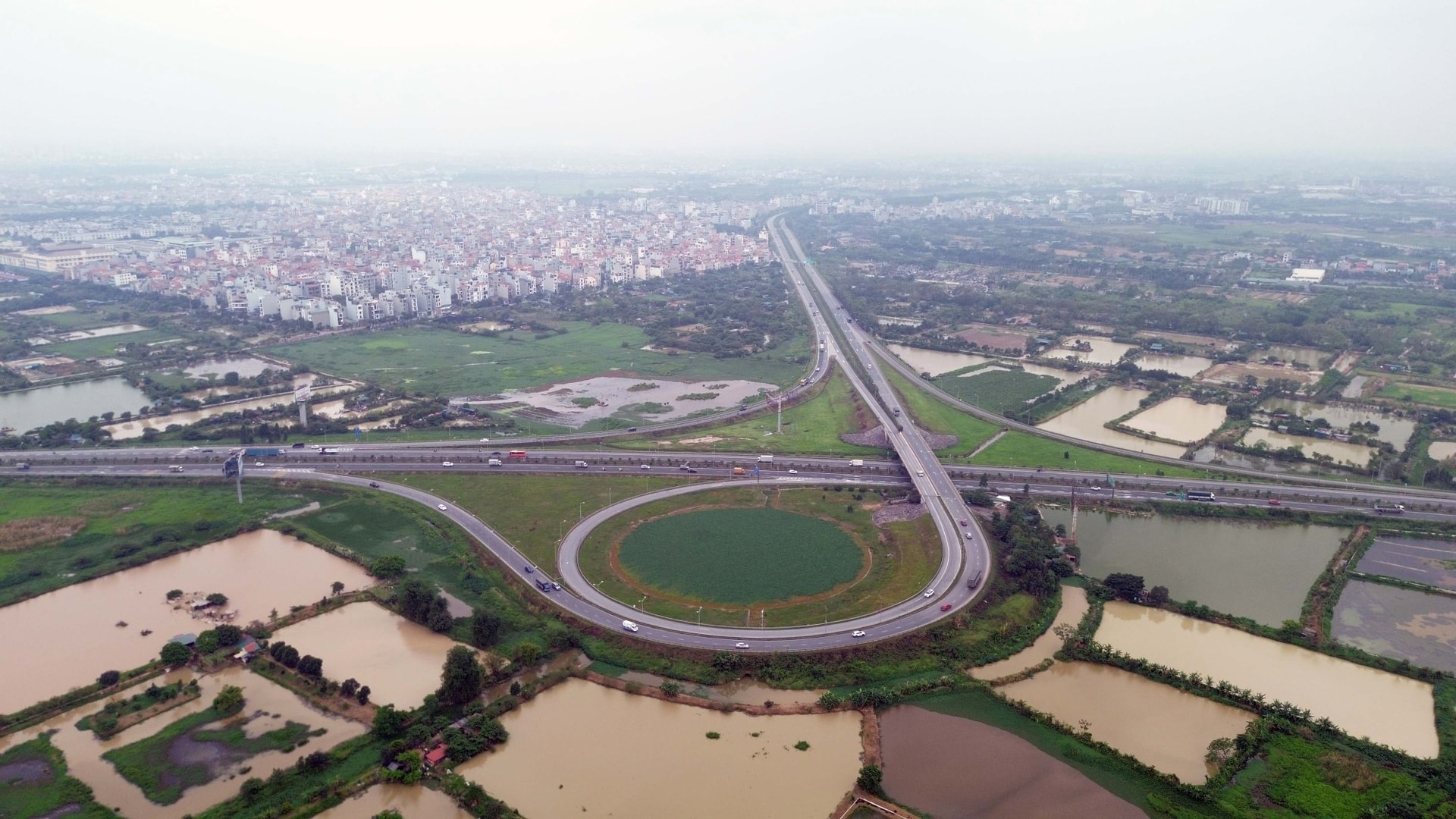
- Newly constructed section: Approximately 7 km long and 120 m wide. The starting point connects to the road in Bac Ninh Province, and the end point is at the intersection between the Hanoi -Lang Son Expressway and the Hanoi-Thai Nguyen Expressway (part of Ring Road 3).
- The upgraded and expanded section is 6.55 km long and runs concurrently with the Hanoi – Thai Nguyen Expressway (Ring Road 3). This section will be expanded to 120 m, connecting the newly constructed section to the Tứ Liên Bridge access road interchange.
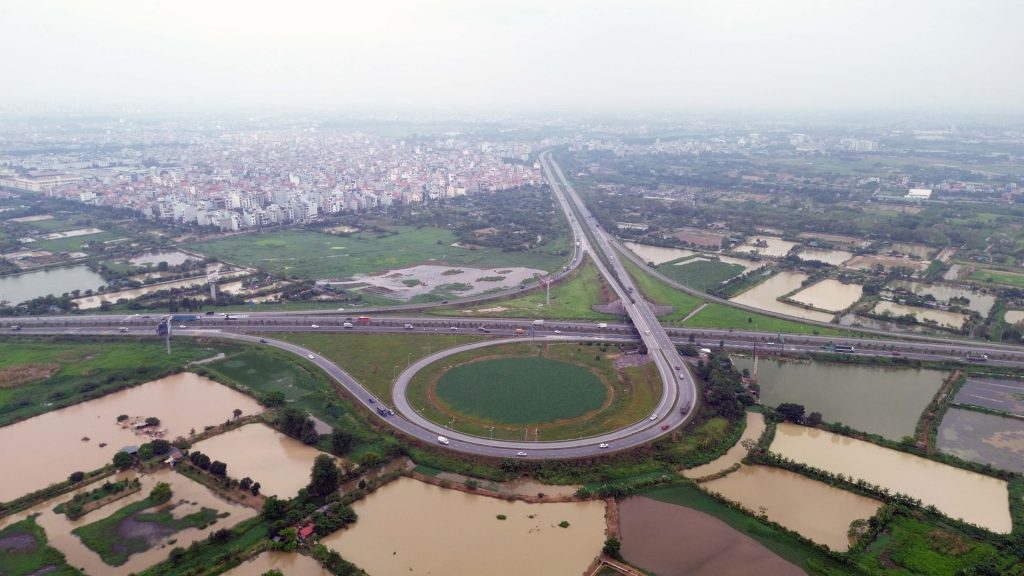
Notably, the project also includes the construction of two direct ramps from the Hanoi-Thai Nguyen Expressway (Ring Road 3) to the access road to Tu Lien Bridge. Each ramp is 2.5 km long, 14 m wide with 3 lanes, optimizing direct connectivity between Gia Binh Airport and the inner city of Hanoi via Tu Lien Bridge in the future.
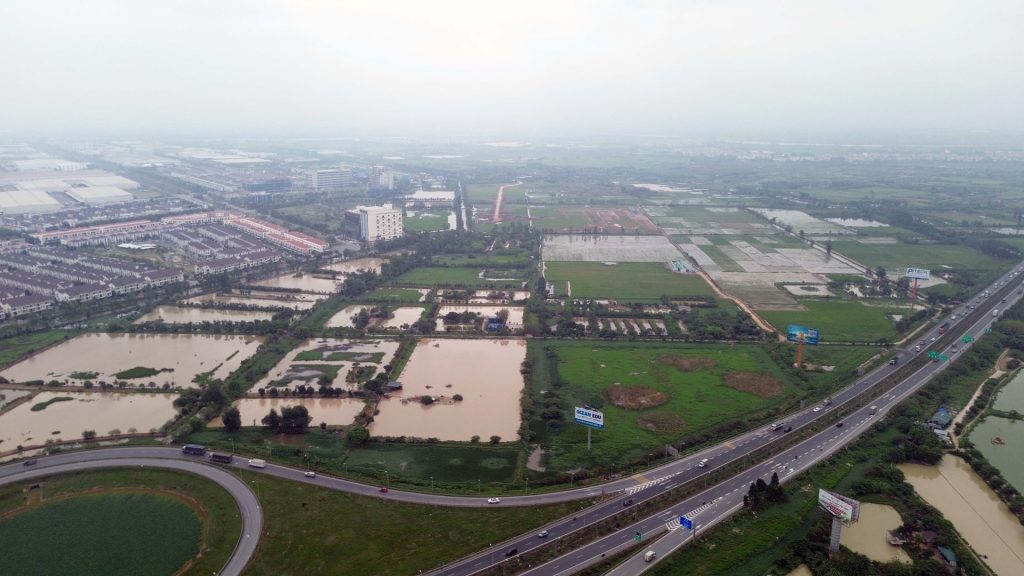
Route and administrative boundaries
The route passes through numerous residential and agricultural areas, with a total land area of approximately 289.87 hectares. Specifically, the project route is located in Thuan An, Phu Dong, Thu Lam communes and Dong Anh district of Hanoi City. In Bac Ninh Province, the route passes through Tu Son and Phu Khe wards.
The implementation of projects in these areas will not only improve local transportation infrastructure but is also expected to boost real estate values and commercial potential along both sides of the route.
Investment model and long-term vision
The project is being implemented under a public-private partnership (PPP) model. The implementing unit is a consortium of Cong Thanh Transport Construction and Investment Joint Stock Company and Cat Ba Sun Company Limited (a member of Sun Group). The total investment for this segment is VND 32,970.23 billion. It is expected that upon completion of the entire connecting route, the total length will reach 41.316 km with a total investment of up to VND 83,000 billion.
The strategic objective of the project is to create a vital, modern transportation artery at the northeastern gateway. The route will significantly alleviate congestion at Noi Bai International Airport, serve the trade needs of the people, and ensure the smooth operation of important domestic and international activities. Furthermore, the corridor along the route will be oriented towards the development of modern urban areas and smart logistics centers.
Actual implementation progress
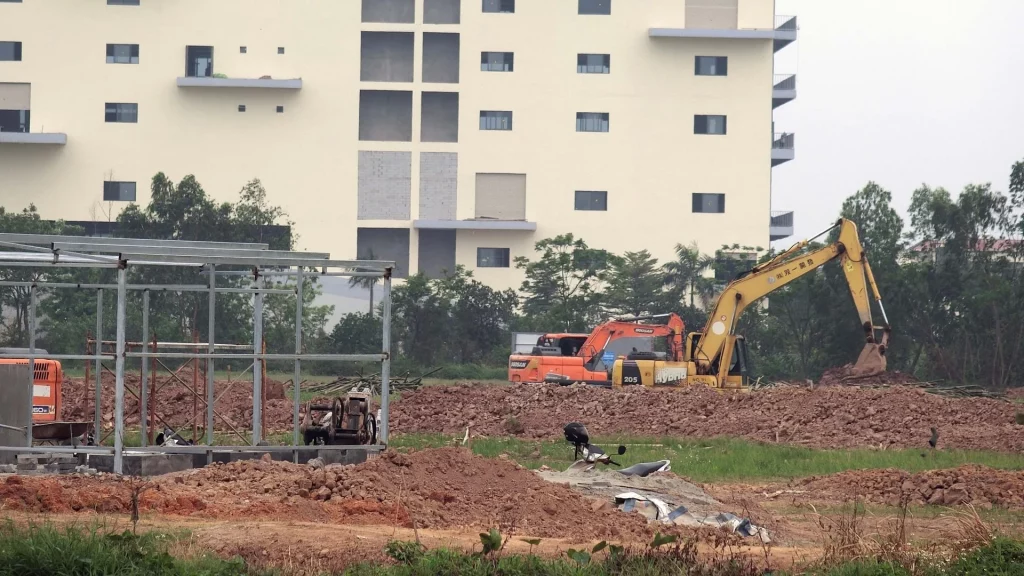
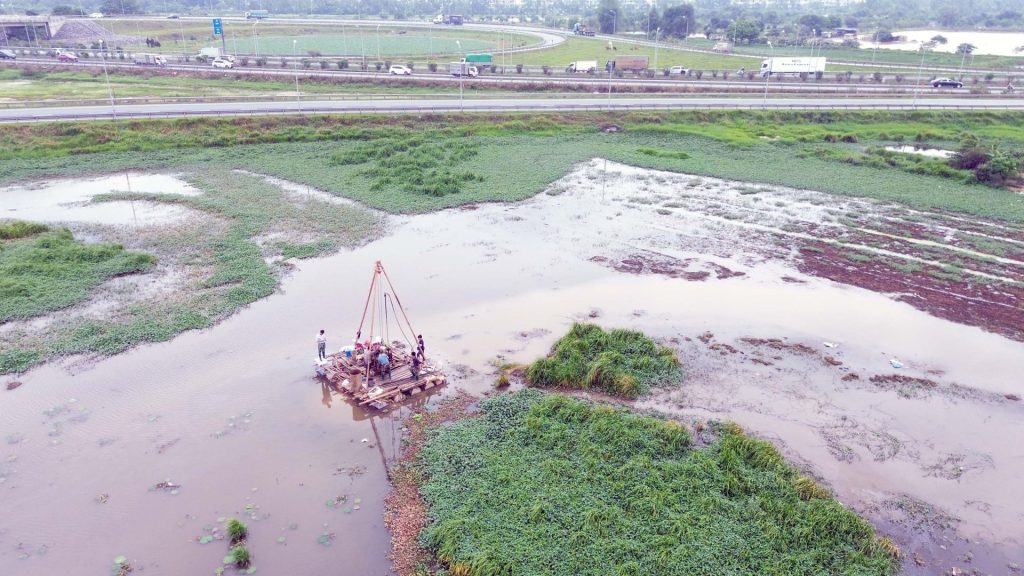
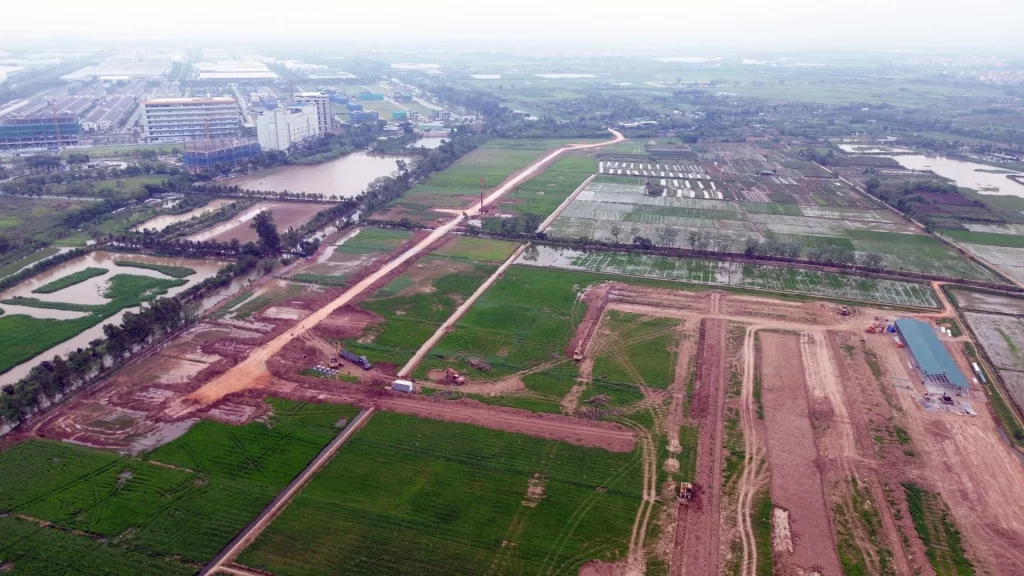
On-site observations indicate that the project is currently in its initial phase, focusing on foundational technical aspects. Construction units have begun assembling machinery and equipment, deploying access roads, and conducting geological surveys to support detailed design.
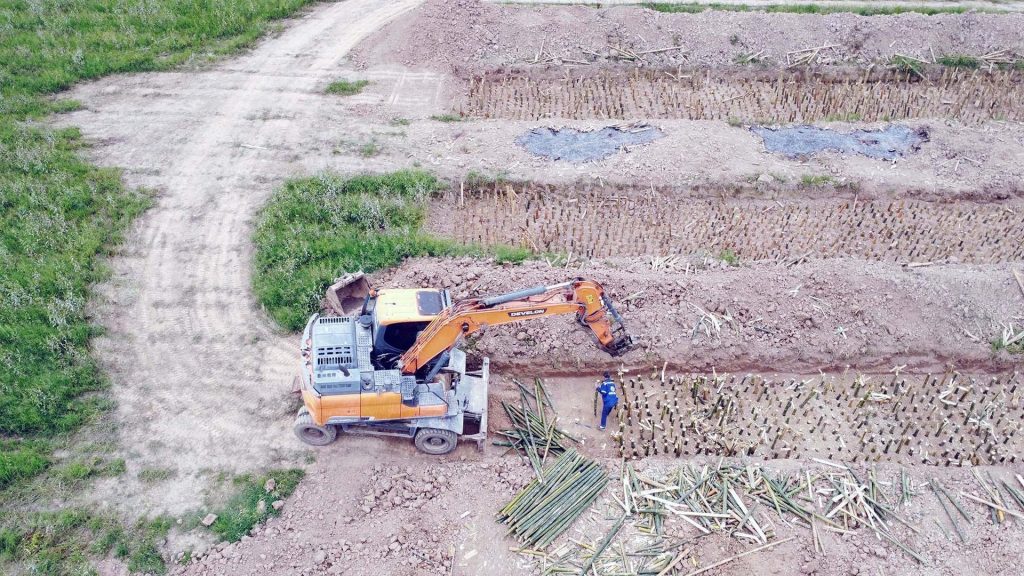
The early completion of the administrative office and temporary infrastructure serving the construction demonstrates the determination of the investor and local authorities to bring the project to completion on schedule, opening up new development opportunities for the region’s growth.